

You would think being gluten-free, dairy-free and sugar-free would cancel out all the “bad foods” you eat. Well, not in America. Weirdly enough, I’ve heard that some people who travel to Italy with a gluten allergy can eat their pizza with gluten and not get sick at all. Makes you wonder what’s going on with our food back home.
Take McDonald’s french fries, for example. Three simple ingredients: potatoes, oil and salt. Well, that’s false, in the United States, McDonald’s french fries contain about 10 to 19 ingredients. But don’t worry, potatoes are one of them. Sure, it’s easy to throw a frozen pizza in the oven at midnight with friends, but these easy foods like frozen pizzas, sweet cereals and snacks are industrial creations designed for taste and accessibility. And now, they make up a huge portion of the American diet. They’re also major drivers of chronic diseases.
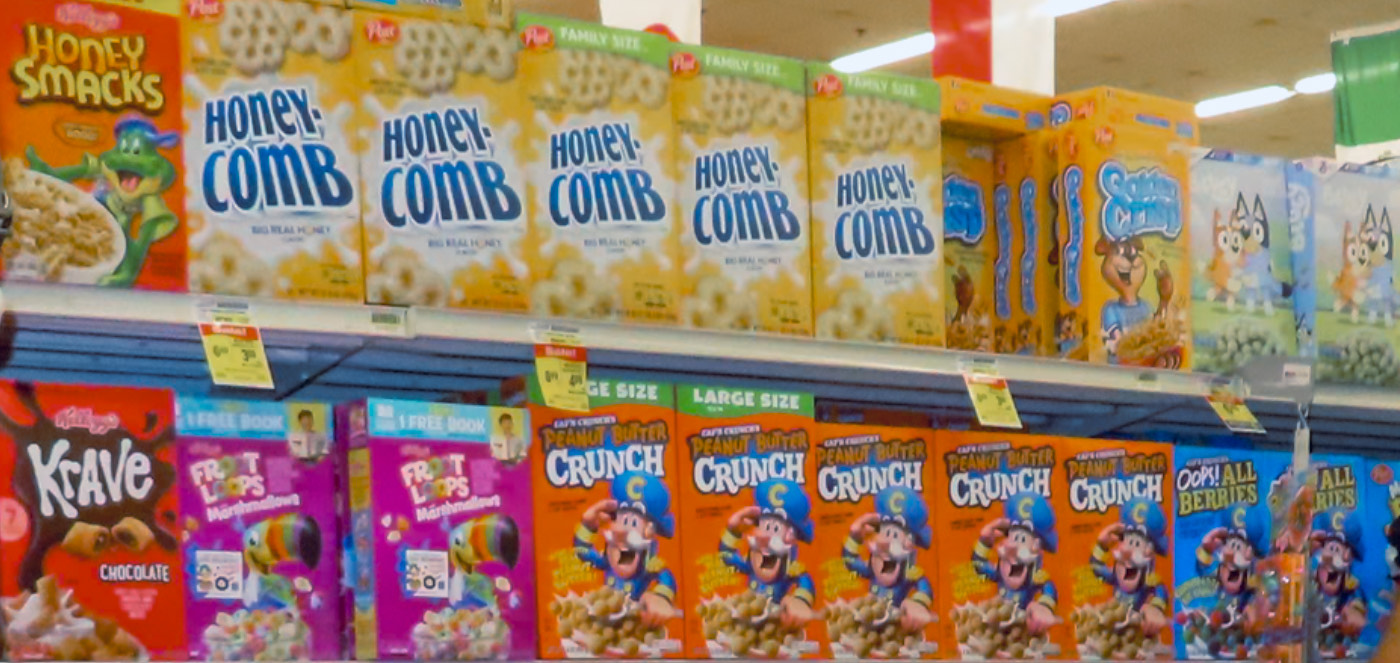
Walk down any grocery aisle and it’s hard not to notice how bright and exciting packaged foods have become. Neon reds and bright blues practically shout at you from the shelves. But behind those fun colors are synthetic dyes that most of us never think twice about… and we probably should. Recent research published on JourneyFoods shows that roughly 15–20% of products on American grocery shelves contain artificial food dyes, especially red and blue. That’s thousands of everyday foods like cereals, snacks and drinks colored purely for visual appeal that most Americans seem to not be bothered by at all.
And don’t get me started on the “zero sugar” and “sugar-free” options we have in America. Sure, it sounds better for you, but have you ever wondered why your sugar-free drink can taste like straight up candy? Some artificial sweeteners are up to 700 times sweeter than real sugar. Today’s food system seems more focused on making money rather than promoting health.
It’s not just our physical health you’re risking by buying these foods. Processed foods, excessive sugar and unhealthy fats can cause inflammation and stress, which directly affect brain function and mood. Certain additives like Red 40, Yellow 5, Yellow 6 and preservatives have been linked to increased hyperactivity in kids and can worsen symptoms in those with Attention-Deficit/Hyperactive Disorder (ADHD). In other countries around the world, foods with these ingredients require warning labels on their packaging. But here, they’re put in foods like Lucky Charms, Froot Loops, Pop Tarts and countless fruit-flavored drinks and sweets, without giving it much thought. This just goes to show that our country is focused on the wrong things when it comes to food.
The bottom line? America’s food system isn’t just efficient, it’s planned, addictive and often harmful. Being conscious of what we eat isn’t just about the calories or sugar we consume, it’s about chemicals, additives and the subtle ways our food can affect both body and mind. So next time something catches your eye at any grocery store, take a moment to consider what you’re really putting into your body.