







































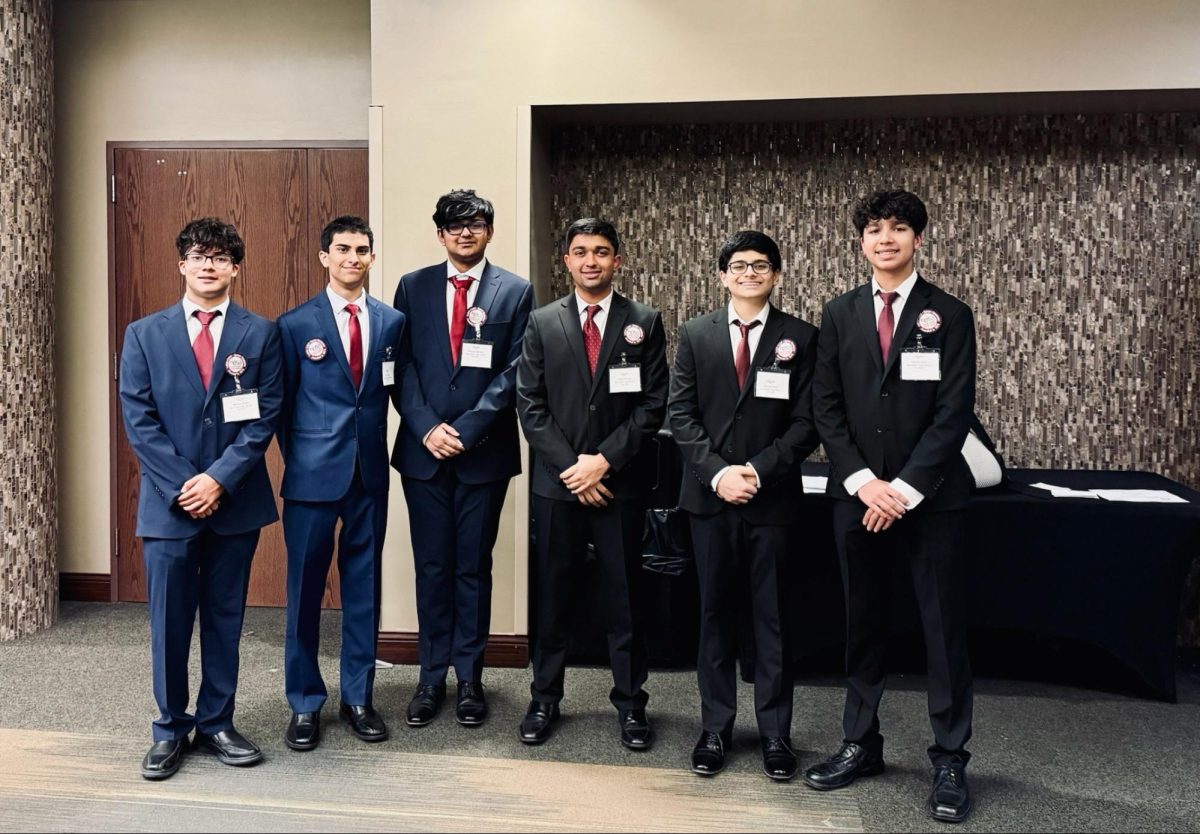
Red Pulse, created in January 2025, aims to bring awareness to the serious impact of the blood shortage within the healthcare field. Since the group’s creation, they have hosted two separate blood drives in the spring, and are currently preparing for several more upcoming drives in the spring. Their mission is to combat a nearly 25% decline in blood donations, as reported by the American Red Cross in July 2024, which threatens the nearly 5 million Americans needing blood transfusions each year. This information motivates Red Pulse team leader Rishin Patel, who spearheads the project.
“Blood shortages put doctors in a lot more unneeded stress; there are situations where they have to decide whether one patient should get the optimal amount of blood they need, or if they should preserve resources for other patients,” Patel said.
Despite widespread awareness efforts, there is no end in sight, worrying doctors and patients alike. However, since their past blood drives, Red Pulse has recently shifted focus towards the cause of the shortage itself. After various surveys and interviews for their research, they noticed repetition in the reasons people and students were not donating blood.
“We noticed that there’s a ton of misconceptions about donations. When I reached out to family members or community members, I realized that a lot of people didn’t want to donate because they didn’t think they were eligible,” Patel said.
In fact, this pattern of misunderstanding the blood donation guidelines has been recognized by many medical groups such as Versiti and ARC to be worsened by COVID-19, due to concerns about healthy blood donations and disease prevention, being possibly the largest contributing factor to the shortage.
“I’d ask them why [they did not want to donate] and some would tell me they have some medication they’re taking. Others, a lot of them, were concerned about having enough iron or feeling ‘borderline anemic’,” Patel said.
The research Red Pulse conducted kept leading back to the same conclusions; nobody knew what being ‘ineligible’ really entailed. They even found certain groups were even more likely to opt out of donating due to health and eligibility concerns.
“Especially in Indians, there’s that mentality that because of our diet and lifestyle, we’re naturally iron deficient, which has been proven many times to be false…as well as many student athletes, in particular, tend to be on the lower side of iron quantities because they use more iron when they’re playing their sports. But what many don’t realize, with that comes proper nutrition, you can’t play your sport if you’re iron deficient naturally, let alone function healthily. So if you’re able to function and play your sport, you should definitely be able to donate blood,” Patel said.
This prompted the group to shift towards more education focused awareness for the following season. Aiming to educate more young people and South Asian groups specifically on the realities surrounding blood donation, and hoping to keep them donating in the future.
“We’ve already spoken in some classes and promoted donating with the Red Cross Club, as well as in local mosques and temples…Versiti has a philosophy that if you get somebody to start donating early on, they are way more likely to continue donating later in life, and that’s the overall goal,” Patel said.
Patel also noted that for the vast majority of people with cardiovascular and endocrine diseases, including diabetes and high cholesterol; who often assume they can’t donate, can actually donate blood easily with proper medication or regulation of their illness.
The Red Pulse campaign urges students and adults to do their research on their blood donation eligibility, especially leading to their hosted blood drives in the spring.