


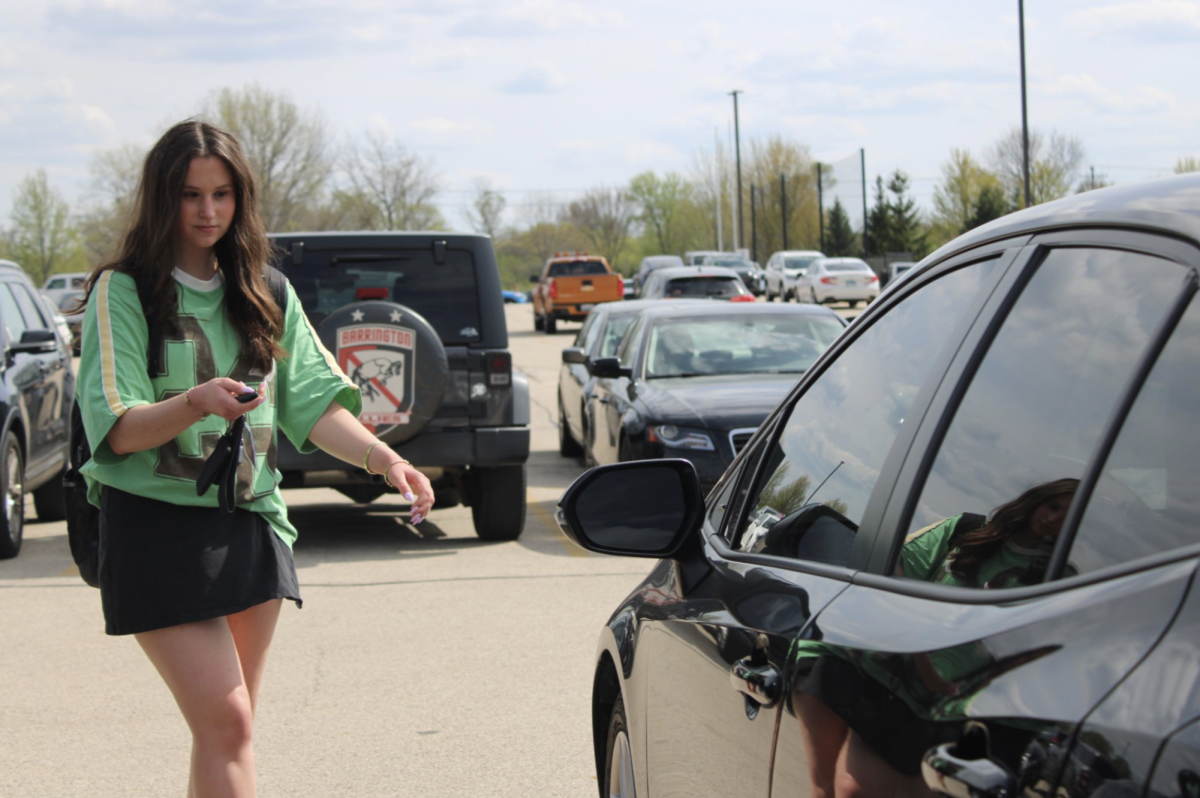














































Generation Z, born between 1997 and 2012, used to be known as a generation that never stopped moving. Today, we’re becoming a generation that barely gets up at all. High schoolers today are falling far short of national physical activity standards, and the consequences are too big to ignore. According to the Centers for Disease Control and Prevention (CDC), fewer than 25% of American teens meet the recommended 60 minutes of daily moderate-to-vigorous physical activity. While some adults dismiss this as laziness, the truth is that teen life has shifted in ways that make physical activity harder, not easier. The decline can largely be tied to rising screen time, increased parental restrictions and the growing trend of “bed-rotting,” where teens spend excessive amounts of time lying in bed on their phones.
Out of those three main reasons, the biggest contributor is the excessive screen time of adolescents. CDC found that “physical activity decreased with increasing hours of screen time use, from 70.4% among those with no more than two hours of screen time to 54.4% among those with at least hours of screen time.” In a separate study, CDC, reported that “teenagers with higher non-schoolwork screen use were more likely to experience a series of adverse health outcomes, including infrequent physical activity, infrequent strength training, being infrequently well-rested, having an irregular sleep routine, weight concerns, depression symptoms, anxiety symptoms, infrequent social and emotional support and insufficient peer support.” This study reveals just how much screen habits interfere with both rest and movement.
So why has screen time skyrocketed? Part of the answer lies in how children are brought up. According to MPDI, “parents act as gatekeepers … concerns about injuries during outdoor play are main reasons why parents forbid their children to play outdoors alone.” Their review argues that those parental restrictions are a key factor blocking children’s physical activity.
Subsequently, teens have gotten used to spending years indoors and on their devices, and we have seen the rise of a new trend — bed-rotting. While “bed-rotting” is more of a cultural term than a clinical one, it is a real pattern that teens have followed globally. According to a study by National Library of Medicine, “in the reference group (females, aged 17-22 years), the average OBT‑D [in-bed duration] across seven days was 9 hours 19 minutes (SD = 12 minutes),” and that there was a “57-minute delay in the OBT‑M [midpoint] on Friday nights … and a 69‑minute delay on Saturday nights [compared to weekday nights].” While this study doesn’t prove modern bed-rotting, it supports the trend of adolescents’ tendency toward staying home in long in-bed intervals and large shifts in sleep timing on weekends.
Some might argue that not all teens are lazy, and that many teens remain active through sports, gym memberships and/or outdoor hobbies. These activities don’t reflect what’s happening nationally. According to the CDC, most teenagers do not meet the physical activity guidelines, especially among those having elevated screen time. This means that while a small percentage of teens may be engaged and athletic, they are the exception and not the norm. Acknowledging that teens aren’t meeting these standards, I strongly believe that it is paramount for both schools and parents to promote healthier living. Schools should redesign their physical education programs to be more appealing to kids. Additionally, schools need to make their programs unskippable without a valid medical reason and if the student is absent they should be required to make that activity up. Parents, on the other hand, need to revise safety precautions aimed at encouraging more outdoor play, lowering screen time and offering incentives for regular physical activity. Together, these actions address the root causes of low activity levels while taking relatively few steps and costing them little to nothing.
If we don’t act now, we risk raising a generation that will never experience physical activity. That’s not only a loss of exercise; it’s a loss of potential interactions, healthy relationships and events that grow adolescent minds.